

Alright, so I was playing slots the other day, right? And I started noticing something weird. Like, I was losing money at one game obviously, but at a completely different pace than another game I played. Same amount betting, basically same time frame. But one was just… demolishing my bankroll way faster than the other.
So I went digging. Checked the RTP on both. And holy crap, the difference was massive. Like, legitimately huge. And then it hit me, most people have absolutely no clue that RTP actually changes their real experience when they’re playing. They just assume every slot is basically the same game with different pictures.
Spoiler alert: they’re not even close to the same.
What RTP Actually Means
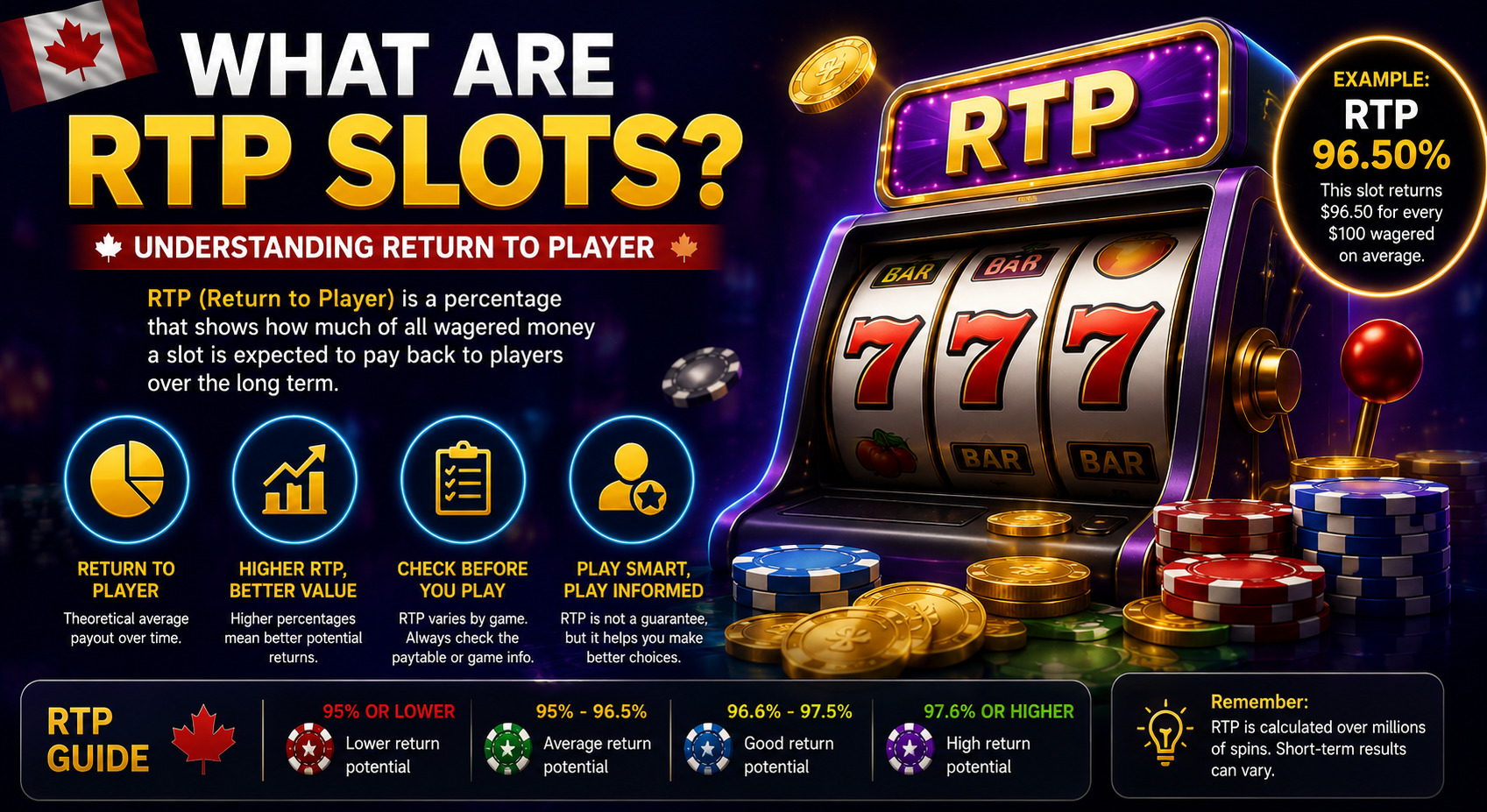
Okay so RTP stands for Return to Player, and honestly it’s kind of a boring name for something that matters this much. It’s basically a percentage that shows you how much of all the money people bet on a game actually gets paid back out.
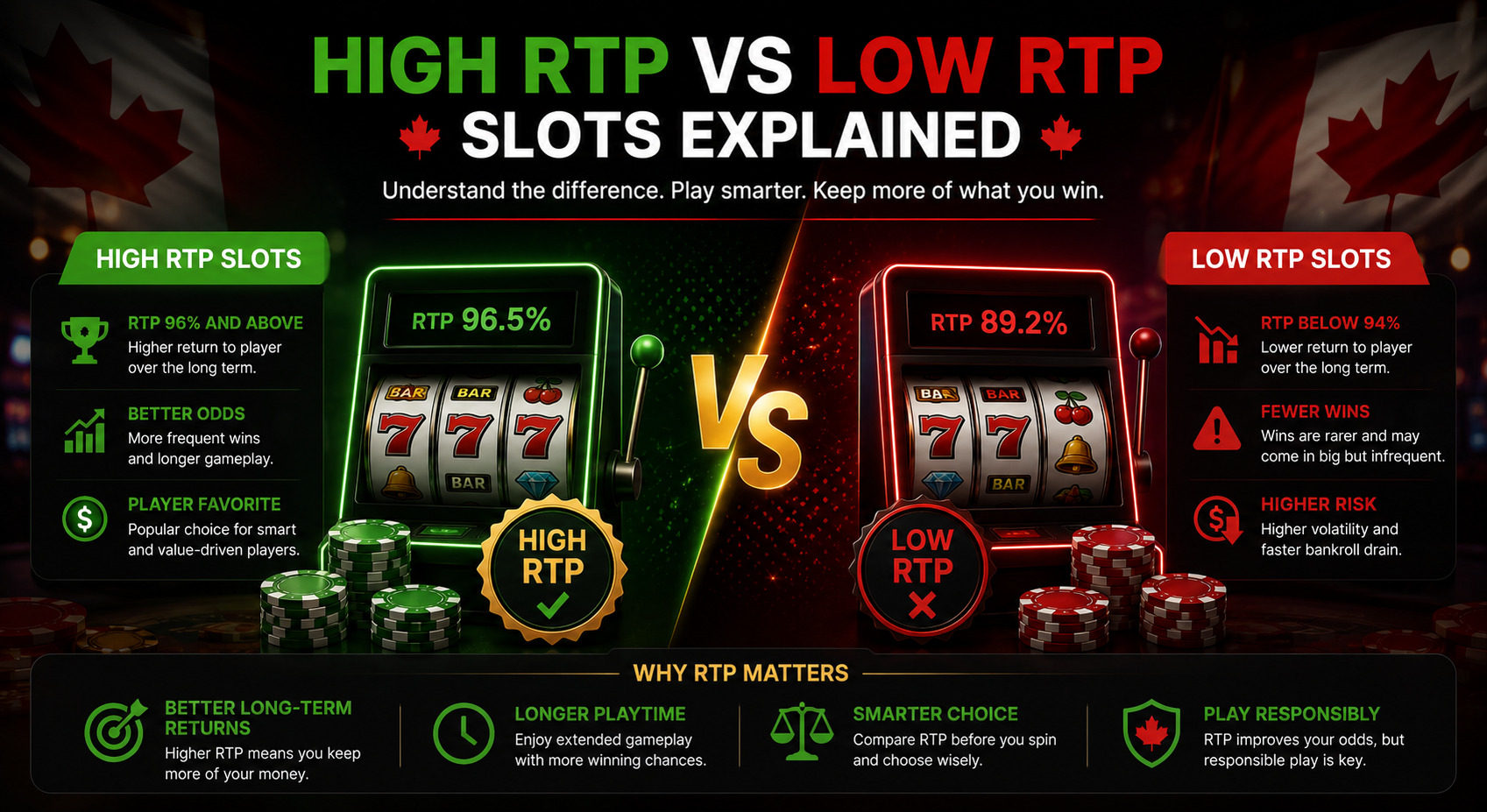
So like, high RTP means the game is keeping less for the house. 97% RTP? That means on average the casino keeps 3%. The game gives back 97%.
Low RTP means the opposite. The game keeps more. You get 93% back, the casino keeps 7%.
Now here’s the thing that nobody talks about, this sounds like a tiny difference. Three percent versus seven percent. You’re probably thinking “who cares, that’s nothing.”
Except it’s not nothing. It’s actually everything when you’re gambling.
The Math Of The Difference
Okay, let me actually show you. Because numbers are boring, but money? Money gets your attention.
You’re spinning for like three hours straight. Thousand bucks wagered total. Just throwing down bets, losing, occasionally winning, normal day.
97% RTP game? You’re getting $970 back. So you’re down $30. Not great, but you knew you were losing money anyway.
93% RTP game? Same situation, same thousand bucks wagered. You’re getting back $930. You’re down $70.
That’s a $40 difference from literally one number. One percentage point difference in RTP equals money directly from your pocket.
Now scale that up. You play fifty bucks a week for a year. That’s like five grand wagered annually, give or take.
97% game? You’re losing maybe $150 a year. 93% game? You’re losing $350. That’s two hundred dollars extra every single year just because you picked the wrong game.
For the exact same behavior. Same number of spins. Same bet amounts. Everything identical except one number.
This is why RTP matters. It directly impacts how fast your bankroll drains.
High RTP Slots vs. Low RTP Slots
High RTP slots are games where the house edge is smaller. You’re losing money slower.
Low RTP slots are games where the house edge is bigger. You’re losing money faster.
High RTP slots don’t pay bigger wins. They don’t hit bonuses more often. The math just works out so you lose less over time.
Low RTP slots work the opposite way. Everything’s the same except the long-term payout is worse.
Why Would Anyone Play Low RTP Slots?
Okay this is genuinely the confusing part. Like, if high RTP is objectively better, why do low RTP games even exist? Why do people play them?
The answer is kinda messed up when you think about it. Low RTP slots are the ones that look insane. Like, visually insane. The graphics are smoother. The animation is crispy. The bonuses look like they’re giving you a million bucks even when they’re not.
Casinos know exactly what they’re doing. They deliberately put the nice-looking games at low RTP and the boring games at high RTP. They’re betting, correctly, that you won’t check the RTP number. You’ll just see the pretty game and go “yeah that one looks fun.”
Also, some low RTP games have these insanely rare but huge possible wins. Like, the maximum win is absolutely bonkers. So people are like “okay I might lose faster but also I could hit a life-changing win.” Even though statistically? Life-changing wins at low RTP are basically mythical.
It’s marketing versus math. And marketing wins like ninety-nine percent of the time.
The Volatility Confusion
Here’s where people get confused. High RTP doesn’t mean consistent small wins. Low RTP doesn’t mean you’ll get crushed immediately.
A game can be high RTP but high volatility. You lose 50 spins, then hit a massive bonus. Long-term it’s good RTP, short-term it’s brutal.
A game can be low RTP but low volatility. You get small wins constantly. You’re losing but it doesn’t feel as bad.
So a low RTP game might actually feel better to play than a high RTP game, depending on volatility. This is another reason people pick the wrong games.
The Personal Experience
So like, I actually did this test myself. Played two different games, hundred spins each. Two dollar bets on both. Same evening, basically same conditions.
Game A is one of those high RTP games. 98% RTP, high volatility. Ugly graphics, honestly pretty boring to look at. I lost like three bucks total. But the whole experience was kinda stressful. I went like fifty spins without anything, then boom, massive bonus at spin eighty-seven that got me back on track.
Game B is a prettier game, lower RTP at 94%. Low volatility though. I lost eleven bucks. But every few spins I got something. Small wins, nothing exciting, but consistent. Didn’t feel stressful. Just steady downward progression.
Now here’s the weird part. Game B felt better to play. Genuinely. Less stress, more wins hitting, better vibes overall. But Game A is mathematically better because I’m losing less money.
So if I played for a year? Game A would save me money even though it felt worse to experience. That’s the problem with understanding RTP. You know the right choice but the wrong choice feels better.
Which One Should You Actually Play?
From a pure money perspective, high RTP slots always win. You lose less money. That’s just math.
From a user experience perspective, it depends. Do you like excitement and big swings? Low RTP high volatility might feel better. Do you like consistency? Low RTP low volatility might feel better.
But if you’re trying to maximize how long your bankroll lasts, high RTP is always the answer.
High RTP vs. Low RTP Comparison Table
| Aspect | High RTP Slots (97%+) | Low RTP Slots (93% or below) |
| House Edge | 3% or less | 7% or more |
| Expected Loss per $1000 Wagered | $30 or less | $70 or more |
| Bankroll Longevity | Longer sessions on same budget | Shorter sessions on same budget |
| Monthly Cost (20 hours/month at $2/spin) | $72-120 | $168-280 |
| Annual Cost (240 hours/year) | $360-600 | $840-1400 |
| Casino Priority | Player retention | Initial attraction |
| Visual Appeal | Often basic graphics | Usually flashy animations |
| Bonus Frequency | Usually moderate | Often generous |
| Volatility Pairing | Can be any type | Often high volatility |
| Player Type Best Suited | Regular players, budget-conscious | Casual players, thrill-seekers |
| Sustainability | Better for long-term play | Expensive for regular players |
| Bonus Win Potential | Realistic expectations | Slightly higher potential |
Finding High RTP Slots
Alright so here’s the annoying part. Finding high RTP slots is actually harder than you’d think. Like, way harder.
Casinos don’t exactly make it easy. Why would they? If everyone could instantly see which games have the best RTP, everyone would play those games and they’d make less money.
Some casinos are transparent about it. They list the RTP right there. Those casinos are either really confident in their offering or they’re trying to attract players who care about being treated fairly.
Other casinos hide RTP. Like, it’s in the fine print somewhere. Or maybe you have to contact support. Or maybe it’s just… not listed anywhere. If a casino doesn’t make RTP easy to find, that’s honestly suspicious. Like, what are they hiding?
When you’re reading best online casino Canada reviews, pay attention to what people say about RTP transparency. If a casino makes it stupidly easy to find RTP for every game? That’s actually a good sign that they’re not being sketchy.
The Rarity Of Really High RTP
Real talk though, anything above 97% is actually kind of rare in slot games. Like genuinely uncommon. Most casinos just have their slots floating around 94 to 96 percent.
Table games are a whole different thing. You can get into the 99 percent territory with blackjack if you actually know what you’re doing. But slots? Nah. 97 percent is actually considered pretty solid.
This is why understanding RTP matters specifically for slots. The difference between 94 and 97 is absolutely massive. It’s not marginal at all. That three percent difference is the difference between “meh whatever” and “actually pretty decent.”
Like if you told me I could get three more percent back every time I gambled, I’d take that deal immediately.
The Casino’s Perspective
Casinos offer both high RTP and low RTP games because different players want different things.
Some players specifically seek high RTP slots. These players are sophisticated and they will go to competing casinos if the RTP is bad.
Other players never check RTP. They just play what looks cool. These players generate profit regardless of RTP.
So casinos populate their libraries with both to capture both player types.
The Slow Bleed Vs. The Fast Bleed
Low RTP slots are a slow bleed on your bankroll. You don’t notice it happening. You play for hours, you’re down $50, and you didn’t feel like you lost much.
But over time, that slow bleed adds up. A year of casual play at low RTP might cost you hundreds more than high RTP would.
High RTP slots are more honest. You lose money, sure. But you lose less of it.
The Volatility Matters More Than You Think
Here’s something I’ve noticed. Volatility matters more for short-term experience, but RTP matters more for long-term cost.
If you’re a casual player with short sessions, volatility determines your mood more than RTP.
If you’re a regular player with lots of sessions, RTP determines your cost more than volatility.
So picking between high and low RTP should depend on how much you actually play.
The Bonus Controversy
Some high RTP slots have stingy bonuses. The game pays well long-term, but bonuses are rare or small.
Some low RTP slots have generous bonuses. You hit bonuses often, which feels good, but the math works against you.
This is another trap. Players feel like they’re winning because they hit bonuses frequently, even though the RTP means they’re losing faster.
What The Data Shows
If you look at casino data, low RTP slots actually get more play. People prefer them. Bonuses are more frequent, animation is better, they feel better.
But high RTP slots have more player retention. People who switch from low RTP to high RTP tend to stick with high RTP because they realize they lose less money.
So casino operators have to balance. More new players prefer low RTP. But player retention favors high RTP.
The Long-Term Advantage
Okay so here’s the thing that actually matters. Over the course of like a year of regular play, the RTP difference adds up to actual money. Real money. Money you could’ve kept.
If someone’s playing weekly and they switch from 94 percent RTP to 97 percent RTP, they’re literally saving the equivalent of three percent of everything they wager. That’s significant.
That difference is what makes gambling sustainable versus unsustainable. High RTP games? You could theoretically gamble casually forever without destroying your finances. Low RTP games? The money just bleeds out faster and faster.
I’m not saying either is good. Gambling loses money, that’s math. But high RTP makes it possible to have it be a sustainable hobby. Low RTP makes it basically impossible unless you’re rich.
The Honest Assessment
Neither is good or bad. They’re just different math.
High RTP slots are better if you want to play longer on the same bankroll. Low RTP slots are fine if you accept you’ll lose money faster.
The problem is most people don’t think about this. They just play whatever and hope they get lucky.
The lucky ones are the people who understand RTP and pick accordingly.
Finding Your Game
When you’re looking for high RTP slots, ask yourself how much you actually gamble.
Casual players (few hours per month)? RTP doesn’t matter as much. Pick whatever you enjoy.
Regular players (multiple hours per week)? RTP matters a lot. Seek out high RTP slots to make your habit sustainable.
Heavy players (many hours per week)? RTP is critical. You’re probably paying for the privilege of gambling. Make sure it’s at the best rate possible.
The Casino Responsibility
Legitimate casinos list RTP prominently. They make it easy to find. They’re transparent about it.
Sketchy casinos hide RTP. They bury it in fine print. Or they don’t list it at all.
If a casino makes RTP hard to find, that’s telling you something. Move on to a casino that’s transparent about their games.
What This Means For Your Choice
When choosing a casino, look for one that lists RTP clearly. When choosing games within that casino, seek out high RTP slots if you play regularly.
The difference might seem small. But over months and years, high RTP slots will cost you less money for the exact same experience.
That’s worth thinking about.
Real Talk
Look, neither high RTP nor low RTP slots are gonna make you rich. That’s not what they do. Both of them cost you money. The house always wins long-term. That’s just how it works.
But high RTP costs you less money. And that’s objectively better. Like, obviously better. No debate.
When you’re picking a casino, actually look for ones that make RTP easy to see. And when you’re picking games within that casino, seek out the high RTP ones if you play more than just occasionally.
The difference might seem stupid small. But months and years? High RTP adds up to real money savings. That’s worth thinking about before you pick the pretty game.
Finding Your Game
So when you’re actually looking for games to play, ask yourself honestly how much you’re gonna be gambling.
Like are you playing once a month for fun? Then honestly RTP doesn’t matter that much. Play whatever looks cool.
Are you playing multiple times a week? Then RTP becomes important. You’re gonna notice the difference.
Are you playing constantly? Then RTP is basically critical. You’re literally paying for the privilege of gambling. Make sure you’re at least getting decent terms.